Wardogs Season 2 Is Better for Infantry Players Than for Logistics Crews and Here Is Why
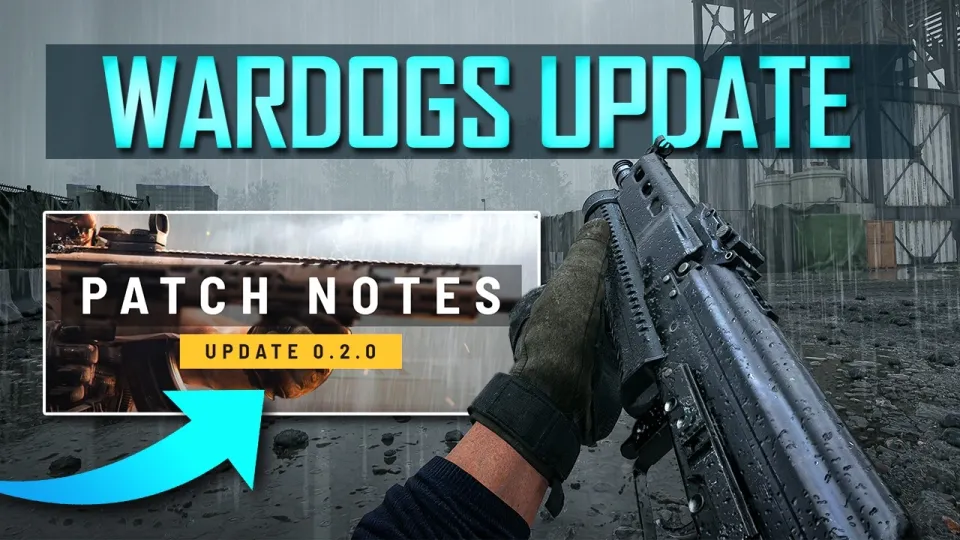
Video: WARDOGS New Season 2 Update ► EVERYTHING You Need To Know
You can order the same kind of articles for your own video to boost it on YouTube and Google. Just message the Telegram bot @sat_sit_bot. The bot writes and publishes the articles itself (with your YouTube video embedded) on popular topical websites (no ads). Your first 50 articles are free.
· based on the channel GhostGaming
Key takeaways
- Wardogs Season 2 (update 0.2) reworks logistics payouts: a 10-streak supply pallet now pays $1,250 base plus a $2,500 bonus, with the streak numbers counted outside the combat zone.
- Vehicle economy shifts against pilots: the minigun Little Bird costs about $14,000 fully loaded with three flares, while a new anti-air vehicle and Browning turrets raise the risk of flying.
- A 16% damage nerf to .50 cal weapons means tier 2 armor can survive a hit from the end-game sniper rifle.
- Low-zoom, uncluttered optics remain locked behind late progression levels, a change infantry players are pushing back on.
- The SKS bipod rose from $800 to $810, a token price change next to the bigger economy adjustments.
Wardogs Season 2 is better for infantry players than for logistics crews: the update pushes the biggest payout gains toward frontline fighting while making supply runs, FOB building and helicopter flying more expensive and more time-consuming per dollar earned. The patch, covered in full by GhostGaming, also touches optics unlocks, sniper damage and vehicle prices. Players who want to watch the breakdown live can catch the streamer on Twitch, where the update is played through in practice.
What Wardogs Season 2 changes in the logistics economy
Logistics payouts are now tied to delivery streaks, and the numbers shown in the original breakdown were measured outside the combat zone, which is why they looked inflated at first glance. A supply pallet delivered on a 10 streak pays $1,250 base plus a $2,500 bonus, so the ceiling for a single run is higher than in Season 1, but reaching that ceiling requires chaining deliveries without interruption. The catch is volume: a driver who wants comparable money to a fighter has to complete far more trips, and the URAL truck earns less per delivery than smaller vehicles. Because the streak resets or stalls whenever a run is broken, the practical income for a casual driver drops even though the headline numbers rise. FOB building was hit from the other side, with every part of the supply chain nerfed, so a base that once needed a handful of pallets now demands several times the hauling work for the same fortifications.
Why pilots and vehicle crews are paying more for less
The minigun Little Bird now costs roughly $14,000 fully loaded with three flares, and a single mistake can wipe out thousands in value before a kill streak pays any of it back. Anti-air pressure is up as well: a new anti-air vehicle joins the roster alongside Browning turrets that make low passes riskier, so helicopter crews must spend more on flares and fly more conservatively. The URAL still handles like it is driving on ice, which adds risk to every logistics run without adding payout. Vehicle crews who relied on round-trip bonuses for transporting players should check the current conditions, since in Season 1 leaving the vehicle at any point voided the bonus.
How the sniper and optic changes affect infantry loadouts
A 16% damage reduction on .50 cal weapons means tier 2 armor can now survive a hit from the end-game sniper rifle, which lowers the one-shot potential that snipers built their loadouts around. Sniper hit zones are defined around the head and neck rather than the whole upper body, so precision matters more than ever. On the optic side, simple low-zoom red dots remain locked behind late progression levels, a decision that frustrates players who want a clean sight without magnification clutter. Variable zoom scopes exist but their keybind handling has been a recurring complaint, and the patch does not address it. The SKS bipod went from $800 to $810, a change too small to affect loadout decisions.
Typical questions from the Wardogs community
Three concerns dominate discussion of the patch. First, drivers worry that logistics was already an unpopular role and that higher per-run pay does not compensate for an hour and a half of driving without combat, especially when a single URAL trip still earns less than fighting. Second, base builders point out that if logistics stops being lucrative, FOBs will go dry and the whole supply chain collapses, which hurts every squad that depends on resupply. Third, pilots argue that the combination of a more expensive minigun helicopter, pricier flares and new anti-air threats may push the air role out of the meta entirely until the Guepard arrives. Infantry players, by contrast, come out ahead: they keep their income while everyone else's costs rise.
What to prioritize in your first Season 2 matches
Infantry play is the safest return on time in the new economy, so build around rifles and mid-range fights while the vehicle meta settles. If you drive logistics, plan shorter, repeatable routes that protect your delivery streak instead of long hauls that risk a reset. If you fly, budget for flares as a fixed cost and avoid hovering over contested towers where turrets now punish slow passes. Snipers should re-test their damage breakpoints against tier 2 armor before trusting a one-shot kill. Squad leaders should assign dedicated FOB builders early, because fortification work now takes several times the supply volume it did before.
Official Wardogs links and patch notes
- Full patch notes on Steam: https://store.steampowered.com/news/app/1867240/view/670630562731396445
- Twitch: http://www.twitch.tv/ghostgaminggg
- Twitter: https://twitter.com/GhostGamingG
- Discord: https://discord.gg/MzkAVCy
- TikTok: https://www.tiktok.com/@ghostgaming_battlefield
Summary
Wardogs Season 2 rewards frontline infantry and punishes the support roles that keep matches supplied, at least until the developers adjust the numbers. The logistics streak system pays more per perfect run but demands far more trips, pilots face a $14,000 minigun helicopter plus new anti-air threats, and snipers lose one-shot reliability against tier 2 armor. The optic unlock curve and the SKS bipod's $10 price bump are minor notes next to those economy shifts. GhostGaming's breakdown walks through every change in the patch, and the full stream is available on Twitch for players who want to see the new meta in action before committing to a role.
Questions & answers
How much does a supply pallet pay in Wardogs Season 2?
A pallet delivered on a 10 streak pays $1,250 base plus a $2,500 bonus. The streak figures shown in early coverage were measured outside the combat zone, so the in-zone numbers in the patch notes are the ones to plan around.
Is the minigun Little Bird still worth buying in Season 2?
It costs about $14,000 fully loaded with three flares, and new anti-air vehicles plus Browning turrets make survival harder. Unless you can sustain kill streaks and keep flare use low, the helicopter is a high-risk purchase that may not recoup its price.
Why do players say logistics is worse despite higher payouts?
The per-run ceiling is higher, but reaching it requires chaining deliveries, and a single URAL trip still earns less than fighting for the same time. Drivers also face long stretches without action, so the role stays unpopular even with better numbers.
Can tier 2 armor survive a sniper shot after the .50 cal nerf?
Yes. The 16% damage reduction on .50 cal weapons means tier 2 armor can take a hit from the end-game sniper rifle, so snipers should re-check their damage breakpoints before relying on one-shot kills.
Source: WARDOGS New Season 2 Update ► EVERYTHING You Need To Know · Markdown version